

Iran Waives Strait of Hormuz Transit Fees for 60 Days as Traffic Rebounds After U.S. MoU
Monday, June 22, 2026 by Douglas Harrington
http://www.progress.news/2026-06-22-iran-waives-hormuz-transit-fees-for-60-days.html
Introduction
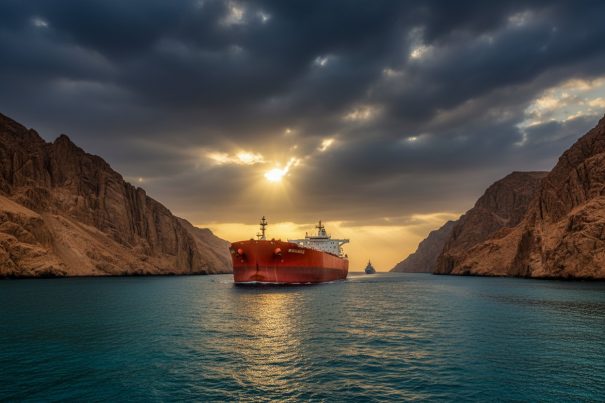
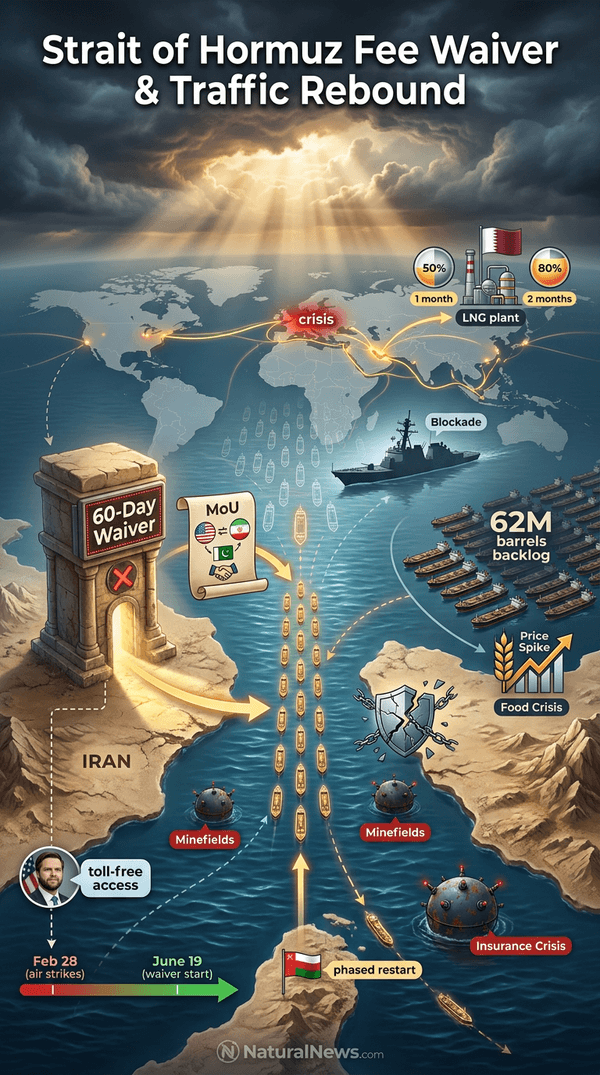
Iran’s Persian Gulf Strait Authority (PGSA) announced a 60-day waiver on all transit fees for vessels crossing the Strait of Hormuz, effective June 19, according to a notice from the authority. The waiver follows the signing of a memorandum of understanding (MoU) between Iran and the United States in Islamabad, with Pakistan serving as mediator. The PGSA stated that “no fees will be charged to vessels for passage” during the 60-day negotiation period, according to reports. [1]
The announcement came as traffic surged to 25 verified commercial crossings on June 18, the highest single-day count since April 18, according to data from AXSMarine. The figure represents more than five times the daily average of the first 10 days of June. However, a rebound to pre-conflict levels remains distant; daily crossings before the war averaged about 110 vessels. [2] [3]
Background: MoU and Previous Traffic Lull
The MoU between Iran and the U.S. was signed in Islamabad, though the full text has not been publicly disclosed. Both sides have made conflicting statements on its terms. The agreement is seen as a roadmap for ending hostilities that began on February 28, when US and Israeli forces launched air strikes on Iran. [4] [5]
Traffic through the Strait of Hormuz plummeted after the war began, with daily crossings dropping from about 110 to an average of just 7.6 per day since March, according to AXSMarine data cited by BBC Verify. The June 18 spike of 25 crossings followed the MoU, but the volume remains far below the pre-February normal. The crisis disrupted a waterway that handles roughly 20% of globally traded oil and one-third of LNG exports. [6] [3]
Waiver Details and Requirements
Under the 60-day waiver, the Iranian government commits to providing security, environmental protection, and “related Iranian insurance coverage” for vessels during transit, the PGSA notice stated. Ship owners must still coordinate routes and notify the authority of transit schedules at least 48 hours before arrival. Liability for non-compliance rests on owners. [1]
Vice President JD Vance confirmed that the deal ensures toll-free access during the 60-day negotiation period. “What the deal says is that for the 60 days that we’re negotiating the final deal, there will be toll-free access in and out of the Strait of Hormuz,” Vance told NBC News. [7] The waiver is described as a financial incentive to encourage resumption of shipping through the strategic waterway, which Iran had effectively closed since late February. [8]
Traffic Data and Rebound Indicators
AXSMarine reported that 25 verified commercial vessels crossed the Strait of Hormuz on June 18, marking the strongest single-day traffic in two months. That count is the highest since April 18, when a temporary surge occurred after Iran briefly opened the waterway. Despite the increase, volume remains below the 110 daily crossings recorded before late February. Since March, daily average traffic was only 7.6 transits, indicating a slow recovery process. [3]
QatarEnergy has informed buyers that it plans to ramp up LNG exports to about 50% of capacity within one month and roughly 80% within two months once safe passage is restored, according to a source cited by Reuters and Bloomberg. The remaining 20% of capacity may take years to repair after damage from Iranian missile strikes in March. [9] The June 18 spike suggests some confidence returning, but industry observers note that a full reopening remains uncertain.
Obstacles to Full Reopening
A substantial maritime backlog remains. Kpler estimates at least 118 tankers are stranded, and Bloomberg reports that about 62 million barrels of crude oil are held on nearly three dozen supertankers awaiting transit. Security risks, particularly naval mines, continue to deter insurers from providing coverage without proof of stability. [3] Major insurers, including Gard and the London P&I Club, canceled war risk coverage for vessels in the strait in early March, according to reports. [10]
Adam Sharpe of Lloyd’s List Intelligence anticipates a “phased restart” coordinated between Iran and Oman, a process that could take several weeks. Despite a recent dip in oil prices following the deal, insurance firms remain cautious, citing unresolved security concerns. The US naval blockade on Iran remains in place until at least June 19, a source familiar with operations told The War Zone. [11] These factors combined suggest that a return to normal traffic will be gradual.
Conclusion: Uncertainties Ahead
The 60-day waiver and the traffic rebound are initial steps, but full reopening of the Strait of Hormuz is expected to be cautious and prolonged, according to analysts. The cancellation of planned talks between Iran and the US in Switzerland has introduced new uncertainties about the reopening timeline. Ship owners and insurers remain on edge, waiting for further diplomatic progress and security guarantees.
The waiver period may serve as a test case for restoring confidence in the waterway’s safety. Control over strategic chokepoints has historically been a tool for exerting geopolitical influence, as noted in analyses of maritime power. [12] Further developments depend on ongoing negotiations and concrete evidence of stability, officials said.
References
- Middle East Eye. “Iran to waive Strait of Hormuz fees during 60-day negotiations”. June 19, 2026.
- Kevin Hughes. “Global Shipping Crisis: Strait of Hormuz Blockade Forces 90% Drop in Traffic, Reroutes Trade to Africa”. NaturalNews.com. March 13, 2026.
- BBC Verify. “Three reasons ships are not going through the Strait of Hormuz yet”. June 16, 2026.
- “Iran and US agree peace deal roadmap: What is and isn’t known”. June 15, 2026.
- BBC Verify. “Weapons, money and ships: How is this Iran deal different from others?”. June 18, 2026.
- Patrick Lewis. “Global Energy Crisis Deepens as Middle East Conflict Threatens Oil and Gas Supplies”. NaturalNews.com. March 22, 2026.
- Middle East Eye. “Vance says Hormuz transit will remain toll-free during talks”. June 16, 2026.
- Mike Adams. “The Strait of Hormuz Isn’t Open Until Iran Says It’s Open”. NaturalNews.com. March 11, 2026.
- NaturalNews.com. “Report: Qatar Plans Rapid LNG Export Recovery After Hormuz Reopening”. June 18, 2026.
- Ramon Tomey. “Major Insurers Cancel Coverage for Vessels Crossing Strait of Hormuz, Sparking Global Shipping Crisis”. NaturalNews.com. March 5, 2026.
- The War Zone. “U.S. Naval Blockade On Iran Will Remain In Place Until At Least Friday”. June 15, 2026.
- Glenn Diesen. “The Decay of Western Civilisation and Resurgence of Russia”.
Explainer Infographic
Tagged Under: Tags: big government, bubble, Iran, maritime backlog, missile strikes, money supply, national security, oil prices, progress, risk, sanctions, Strait of Hormuz, transit fees, waiver
Get Our Free Email Newsletter
Get independent news alerts on natural cures, food lab tests, cannabis medicine, science, robotics, drones, privacy and more.
Your privacy is protected. Subscription confirmation required.
Get Our Free Email Newsletter
Get independent news alerts on natural cures, food lab tests, cannabis medicine, science, robotics, drones, privacy and more.
Your privacy is protected. Subscription confirmation required.
RECENT ARTICLES
War Department Top Officials Witness Live Demo of Laser and Microwave Weapons in New Mexico

Senate Subpoenas Fauci After Document Release

Researchers Develop Chip-Scale Ultrafast Laser Matching Tabletop Performance

U.S.-Iran MOU marks strategic pivot as Trump administration shifts from military to economic objectives


Get Our Free Email Newsletter
Get independent news alerts on natural cures, food lab tests, cannabis medicine, science, robotics, drones, privacy and more.
Subscription confirmation required. We respect your privacy and do not share emails with anyone. You can easily unsubscribe at any time.
Get the world's best independent media newsletter delivered straight to your inbox.

x
By continuing to browse our site you agree to our use of cookies and our Privacy Policy.